Studio: Metro-Goldwyn-Mayer (MGM)
Running time: 81 minutes
Callaway Went Thataway (1951)
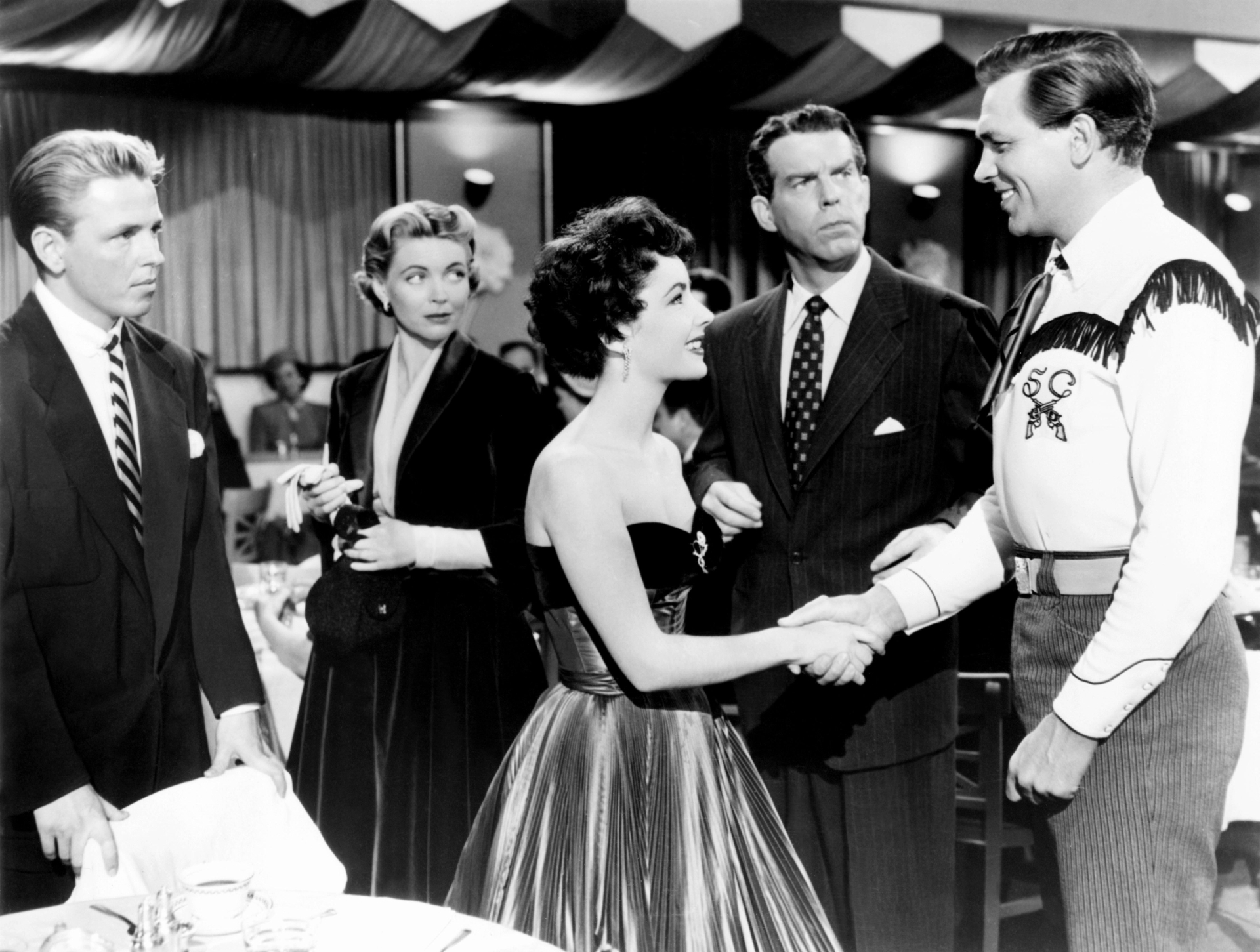
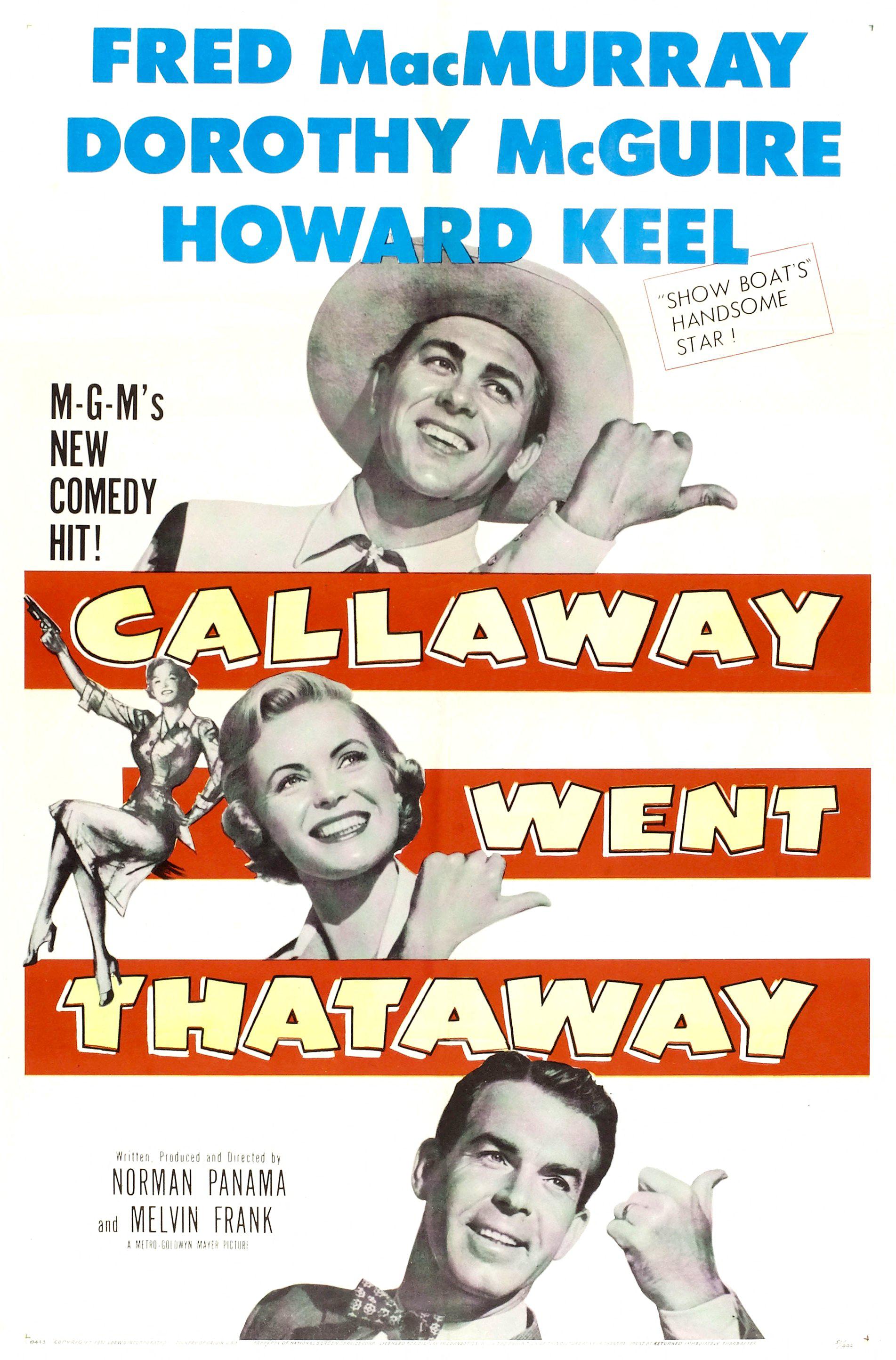
“Where in blazes is ‘Smoky’ Callaway? The onetime B-Western singing star is riding high via TV airings of his old flicks, but he’s been missing for a decade. If he doesn’t turn up soon, promotional whiz kids Mike Frye (Fred MacMurray) and Deborah Patterson (Dorothy McGuire) will lose their meal ticket. So they turn up the next best thing, Colorado cowpoke ‘Stretch’ Barnes (Howard Keel), an uncanny lookalike who fills Smoky’s boots surprisingly well. But the humble hick could be headed for a fall. Found down Mexico way by his conniving agent (Jesse White), the real Smoky (a second helping of Keel as a boozing Hyde to Stretch’s Jekyll) emerges from exile to reclaim his newfound acclaim and income. Cameos from Clark Gable, Elizabeth Taylor and Esther Williams (and a small early role for Stan Freberg) are sprinkled among hilarious observations of branding and celebrity media malarkey in this breezy bauble written, produced and directed by Norman Panama and Melvin Frank (The Court Jester, Li’l Abner). Crowd-pleasing comedy is this-a-way.” [From the DVD]
Cast
Mike Frye: Fred MacMurray
Deborah Patterson: Dorothy McGuire
“Smoky” Callaway/“Stretch” Barnes: Howard Keel
Georgie Markham: Jesse White
Tom Lorrison: Fay Roope
Martha Lorrison: Natalie Schafer
The Drunk: Douglas Kennedy
Marie: Elisabeth Fraser
Johnny Terrento: Johnny Indrisano
Marvin: Stan Freberg
Director: Don Haggerty
Guest Stars: June Allyson, Clark Gable, Dick Powell, Elizabeth Taylor, and Esther Williams
Crew
Directed, Produced, and Written for the Screen by: Norman Panama and Melvin Frank
Cinematographer: Ray June
Art Directors: Cedric Gibbons and Eddie Imazu
Musical Score: Marlin Skiles
Editor: Cotton Warburton
Did You Know?
Elizabeth’s guest appearance in Callaway Went Thataway marks the only time she appeared as herself on screen.
The film was a disappointment at the box office. “The reaction at the sneak preview was excellent, but in theatres it laid a bomb,” said its star, Howard Keel. “Television Westerns were too popular...the public wouldn’t accept satirizing them.”