Frequently Asked Questions (FAQs)
About Elizabeth Taylor
From the colour of her fabled eyes to how many children she had and how much money she raised for the fight against AIDS, read on for answers to frequently asked questions about Elizabeth Taylor.
About Elizabeth
When and where was Elizabeth born?
Elizabeth Rosemond Taylor was born on February 27, 1932, at 2:30 AM in Hampstead, North London, England.
Who was Elizabeth named after?
Elizabeth was named after both of her grandmothers. Her middle name, Rosemond, was after her father’s aunt (Elizabeth’s great-aunt), Mabel Rosemond.
What colour were Elizabeth’s eyes?
Elizabeth possessed probably the most famous eyes in movie history: a deep blue—framed by a double row of eyelashes—that could, depending on lighting and what she was wearing, appear violet. She said that the idea of her having violet eyes was the invention of “some romantic journalist”.
What was Elizabeth’s religion?
Elizabeth was raised a Christian Scientist, but converted to Judaism in 1959. She always felt a connection to the Jewish faith. “I felt terribly sorry for the suffering of the Jews during the war,” she explained. “I was attracted to their heritage. I guess I identified with them as underdogs.” Although she wanted to convert to the Jewish faith while Mike Todd was alive, her desire to do so increased after his tragic death: “Now, in my steady, gnawing grief for Mike, I felt a desperate need for a formalized religion. I had discovered that I had no way of expressing myself in prayer other than an almost wordless howl to God—‘Oh, God, oh God, oh God.’ I wanted something more channeled, more profound, more satisfying.”
She “studied [Judaism] for about nine months, went to the temple regularly and converted” at Hollywood’s Temple Israel on March 27, 1959. Elizabeth, whose Hebrew name was Elisheba Rachel, found great solace in her adopted faith.
Where did Elizabeth receive her education?
Elizabeth was educated at:
- Byron House (Highgate, North London)
- Madame Vacani (school of dance; South Kensington, London)
- Willard Elementary School (Pasadena)
- Hawthorne Elementary School (Beverly Hills)
- Universal schoolroom
- MGM’s Little Red Schoolhouse (Culver City)
Was Elizabeth British or American?
There has always been confusion around Elizabeth’s nationality. She was born in England to American parents, which meant she was a dual citizen of both countries from birth. After marrying Richard Burton, however, Elizabeth made the decision to renounce her American citizenship. “It is not true that I love America less,” she said, “but I love my husband more.” Later, when married to John Warner and again living in the United States, Elizabeth began the process of reapplying for American citizenship, which would take several years. When asked about Warner’s senatorial hopes in early 1977, Elizabeth replied: “I couldn’t vote for him anyway. I’m still a British citizen.”
After regaining her American citizenship, she would remain a dual citizen for the rest of her life.
What ailments did Elizabeth suffer from?
Elizabeth suffered from congestive heart failure, osteoporosis, and back pain caused by scoliosis, a double curvature of the spine. Speaking of her scoliosis, she said in 2004, “I was born with it, but it has finally caught up with me”. “My body’s a real mess. If you look at in the mirror, it’s just completely convex and concave. I’ve become one of those poor little old women who’s bent sideways. My X-rays are hysterical. The bone doctors just throw up their hands and say, ‘Sorry, there’s nothing we can do!’ Which is so cheery.”
“The pain prevents me from doing the things I want to do, and it really irritates me,” she explained the following year. “It’s osteoporosis and scoliosis—a double curvature of the spine—and it can be excruciating. When I go out now, I have to use a wheelchair, which doesn’t dampen my spirits, but I get cheesed off when I can’t just pack a bag and go where I want to.”
When did Elizabeth die? Where was she laid to rest?
Elizabeth, surrounded by her four children, died of congestive heart failure at age seventy-nine on March 23, 2011. A statement released by her son, Michael Wilding, Jr., on behalf of the entire family, said: “My Mother was an extraordinary woman who lived life to the fullest, with great passion, humor, and love. Though her loss is devastating to those of us who held her so close and so dear, we will always be inspired by her enduring contribution to our world. Her remarkable body of work in film, her ongoing success as a businesswoman, and her brave and relentless advocacy in the fight against HIV/AIDS, all make us all incredibly proud of what she accomplished. We know, quite simply, that the world is a better place for Mom having lived in it. Her legacy will never fade, her spirit will always be with us, and her love will live forever in our hearts.”
In keeping with Jewish custom, Elizabeth was laid to rest one day after her death, on March 24, 2011. Her funeral, held at Forest Lawn Memorial Park, in Glendale, California, began, according to her wishes, fifteen minutes late. She is interred in the Great Mausoleum at Forest Lawn.
What are some good books to read about Elizabeth?
Biographies
The first authorized biography of Elizabeth Taylor, Elizabeth Taylor: The Grit & Glamour of an Icon by Kate Andersen Brower, was published in 2022. Brower was given unprecedented access to an array of unpublished material from Elizabeth’s personal papers, including diary entries and letters. She also draws on insightful interviews with colleagues, friends, and family members, including all four of Elizabeth’s children and several of her grandchildren.
These three biographies are also worth a look: How to Be a Movie Star: Elizabeth Taylor in Hollywood by William J. Mann (2009); Elizabeth: The Life of Elizabeth Taylor by Alexander Walker (1990, updated in 1997); and A Passion for Life: The Biography of Elizabeth Taylor by Donald Spoto (1995).
Books Authored by Elizabeth
The four books Elizabeth penned herself (Nibbles and Me, An Informal Memoir, Elizabeth Takes Off, and My Love Affair with Jewelry) are must-reads for any fan.

Photographic Books
Three photographers who worked closely with Elizabeth (two of whom also counted her as a dear friend) published these collections of photographs and reminiscences: My Elizabeth by Firooz Zahedi, Elizabeth Taylor: The Queen and I by Gianni Bozzacchi, and Liz – An Intimate Collection: Photographs of Elizabeth Taylor by Bob Willoughby.
Elizabeth-Adjacent Books
The following “Elizabeth-adjacent” books, by or about her husbands, are also worth seeking out: Apple Sauce: The Story of My Life (also published under the title The Wilding Way) by Michael Wilding (as told to Pamela Wilcox); A Valuable Property: The Life Story of Michael Todd by Michael Todd, Jr. and Susan McCarthy Todd (with a foreword by Elizabeth); The Nine Lives of Michael Todd: The Story of One of the World’s Most Fabulous Showmen by Art Cohn; Meeting Mrs. Jenkins by Richard Burton; The Richard Burton Diaries (edited by Chris Williams); Richard Burton, My Brother by Graham Jenkins (with an introduction by Elizabeth); Richard & Philip: The Burtons by Philip Burton; and Richard Burton: A Brother Remembered by David Jenkins with Sue Rogers.
Films
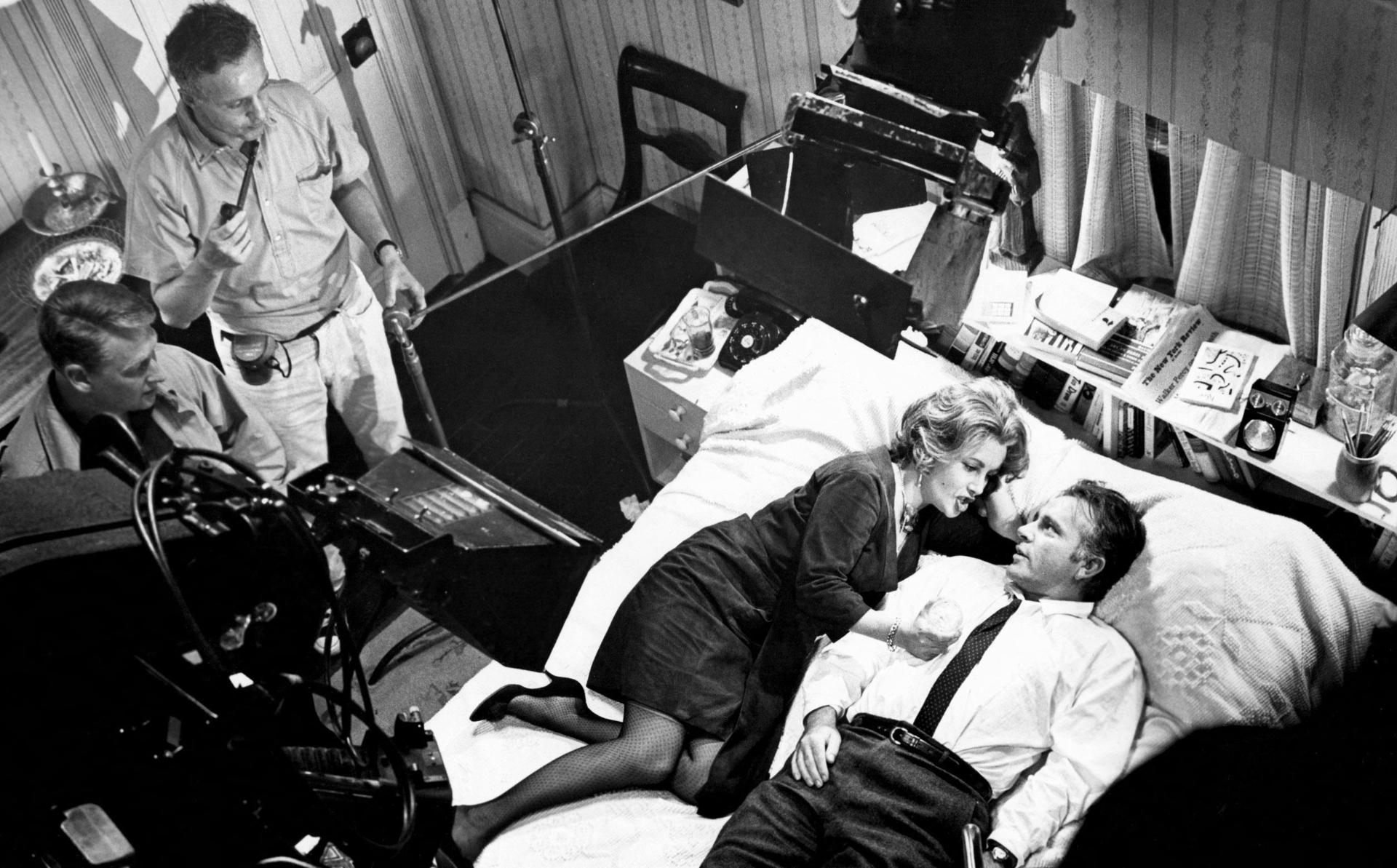
How did Elizabeth get her start in show business?
With the storm clouds of war gathering over Europe, seven-year-old Elizabeth, along with her mother, Sara, and brother, Howard, left England on the advice of friends aboard the SS Manhattan in mid-April 1939. Legend has it that, during the crossing, Elizabeth sat spellbound as she watched her very first film, The Little Princess, starring Shirley Temple, and decided she wanted to become an actress.
Now living in California, Elizabeth recalled that, while in public, strangers would often approach her mother, Sara, and suggest that Elizabeth, who they said resembled a young Vivien Leigh, audition for the role of Leigh’s daughter in Gone with the Wind. In 1941, when the Taylors were on a tour of MGM with their neighbour, MGM producer John Considine, Jr., studio head Louis B. Mayer met Elizabeth and wanted to sign her to a contract. Around the same time, Andrea Berens, a patron of Francis Taylor’s art gallery, told Sara that her fiancée, Universal Pictures chairman Cheever Cowdin, had to meet Elizabeth. Berens and Cowdin dropped by the Taylors for tea, and Cowdin encouraged mother and daughter to tour the studio, with perhaps a screen test for Elizabeth to follow. On April 21, 1941, Elizabeth was signed to a six-month contract with Universal, with an option to renew. She was to be paid $100 per week.
When did Elizabeth make her film debut?
Elizabeth made her film debut for Universal in There’s One Born Every Minute (1942). After filming wrapped, the studio declined to pick up the second option on her contract. “The kid has nothing,” began casting director Dan Kelly’s famous verdict. “Her eyes are too old, she doesn’t have the face of a child.”
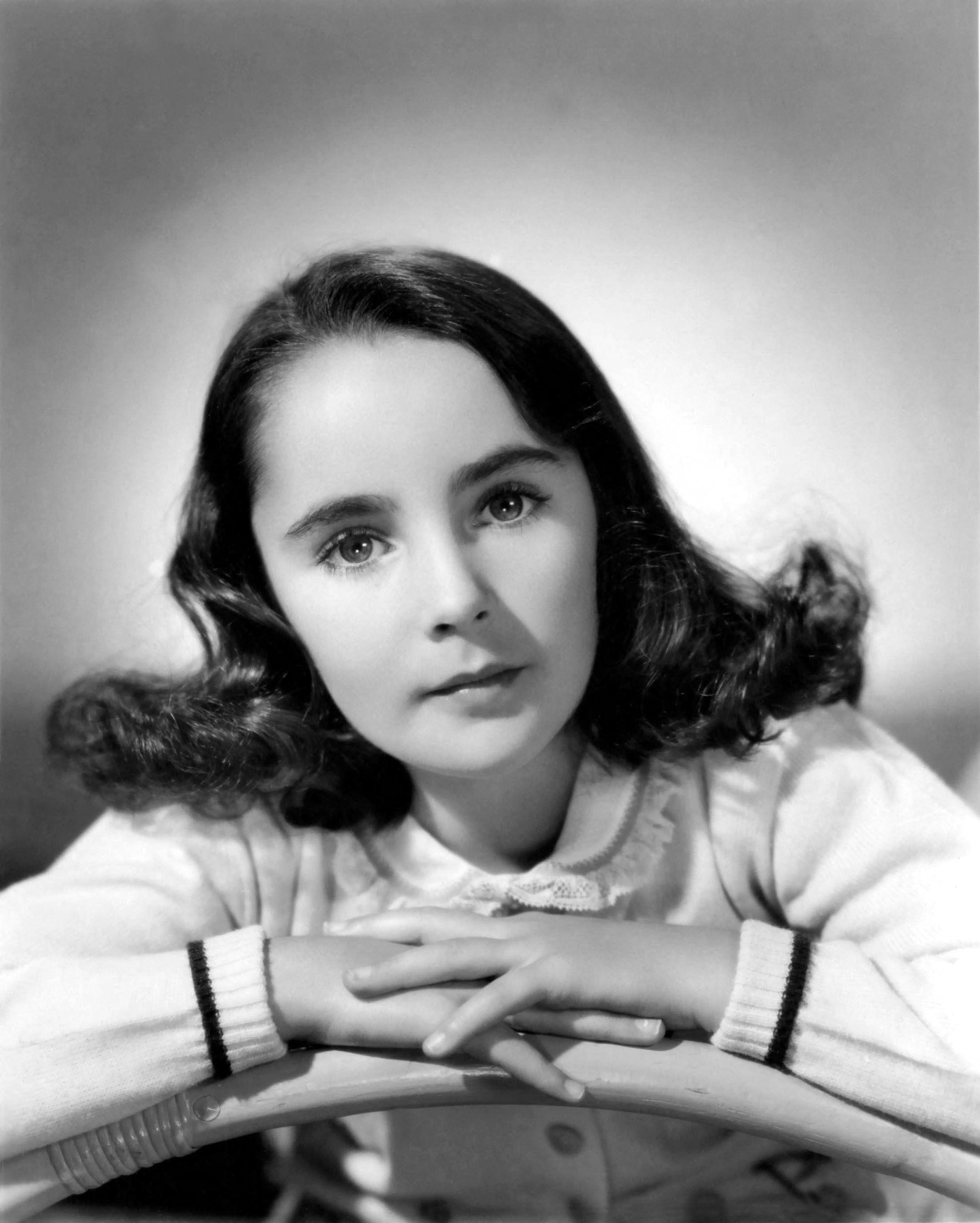
When did Elizabeth sign with MGM?
Elizabeth’s journey at the already legendary MGM, the studio that boasted “more stars than there are in heaven,” began when she was cast in Lassie Come Home (1943).
In late 1942, MGM producer Sam Marx was forced to find a last-minute replacement for the role of Priscilla, the young granddaughter of the Duke of Rudling. He recalled his fellow air-raid warden, Francis Taylor, telling him about his daughter, an English-born, aspiring child actress who had made one film for Universal before the studio declined to pick up the second option on her contract. He telephoned Francis at his art gallery and encouraged Elizabeth to audition. She won the role and, in January 1943, was signed to a seven-year contract.
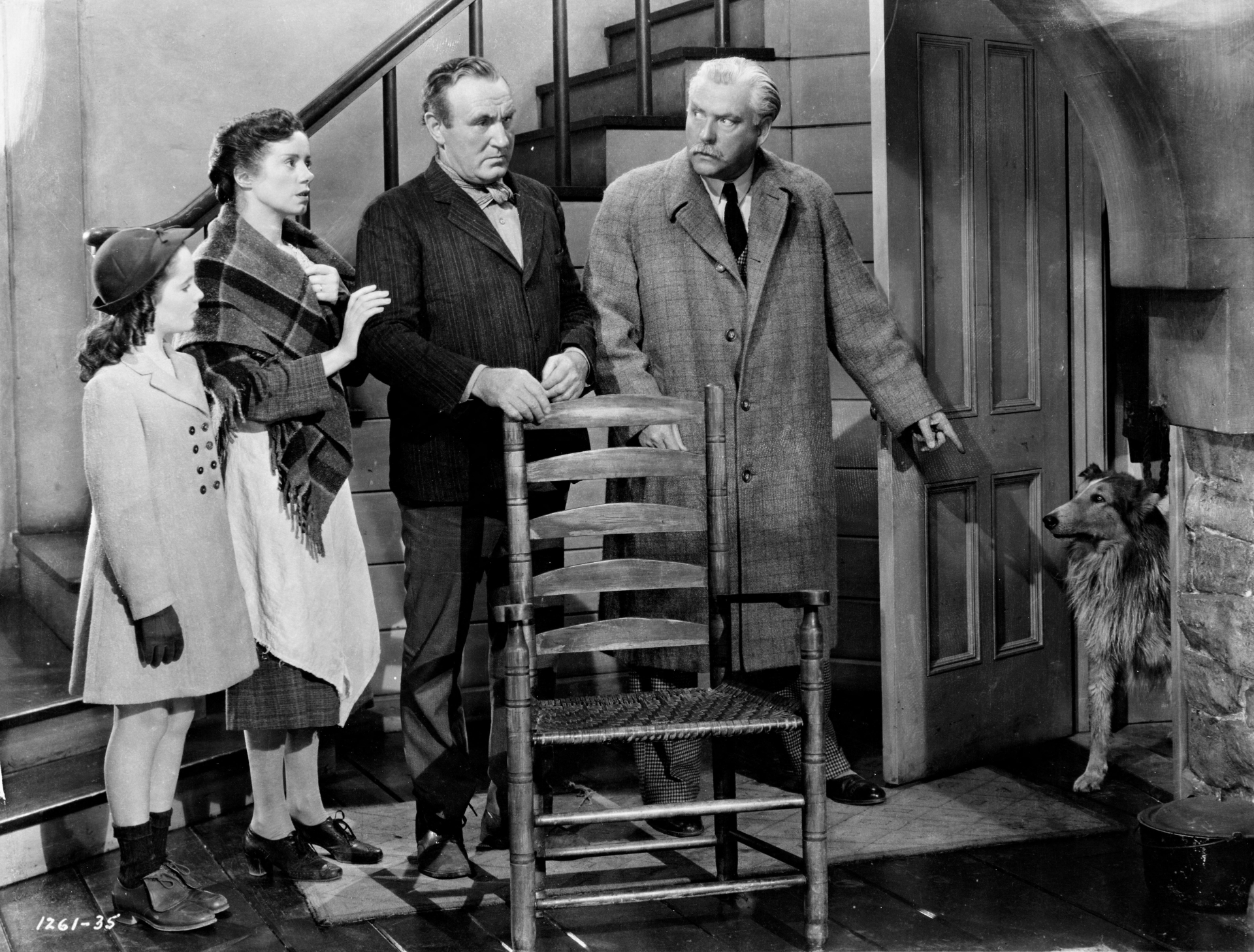
When and why did Elizabeth leave MGM?
Elizabeth completed her contractual obligation to MGM, her home studio for eighteen years, with BUtterfield 8 (1960). The Hollywood studio system, which was typically more advantageous to the studio over the talent under contract, was crumbling. Elizabeth wanted to strike out on her own as a freelance actress, choose the films she made and negotiate how much she was paid.
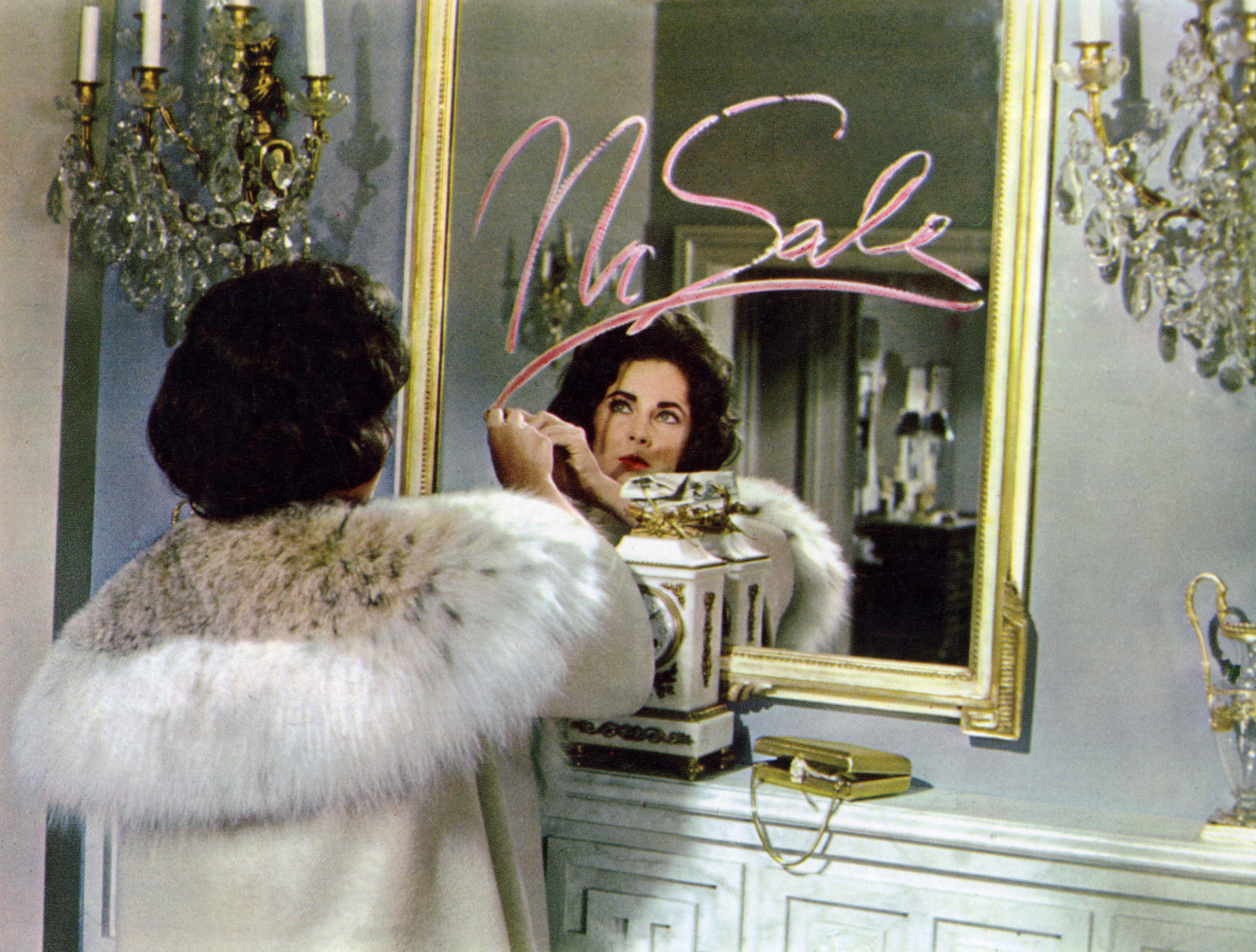
Her first film as a free agent was, of course, Cleopatra (1963)—not only one of the most talked about movies ever made, but one that would see her shatter the glass ceiling for women in film.
How much was Elizabeth paid to portray the title role in “Cleopatra”?
Elizabeth became the highest-paid actor, male or female, when she received one million dollars plus 10% of the absolute box office gross (along with other perks) for Cleopatra, helping to usher in an era of star power where the star called the shots, not the studio. Forever free from the shackles of the studio system, Elizabeth could ensure a paycheck commensurate with her value as an actress and celebrity.
How many movies did Elizabeth make?
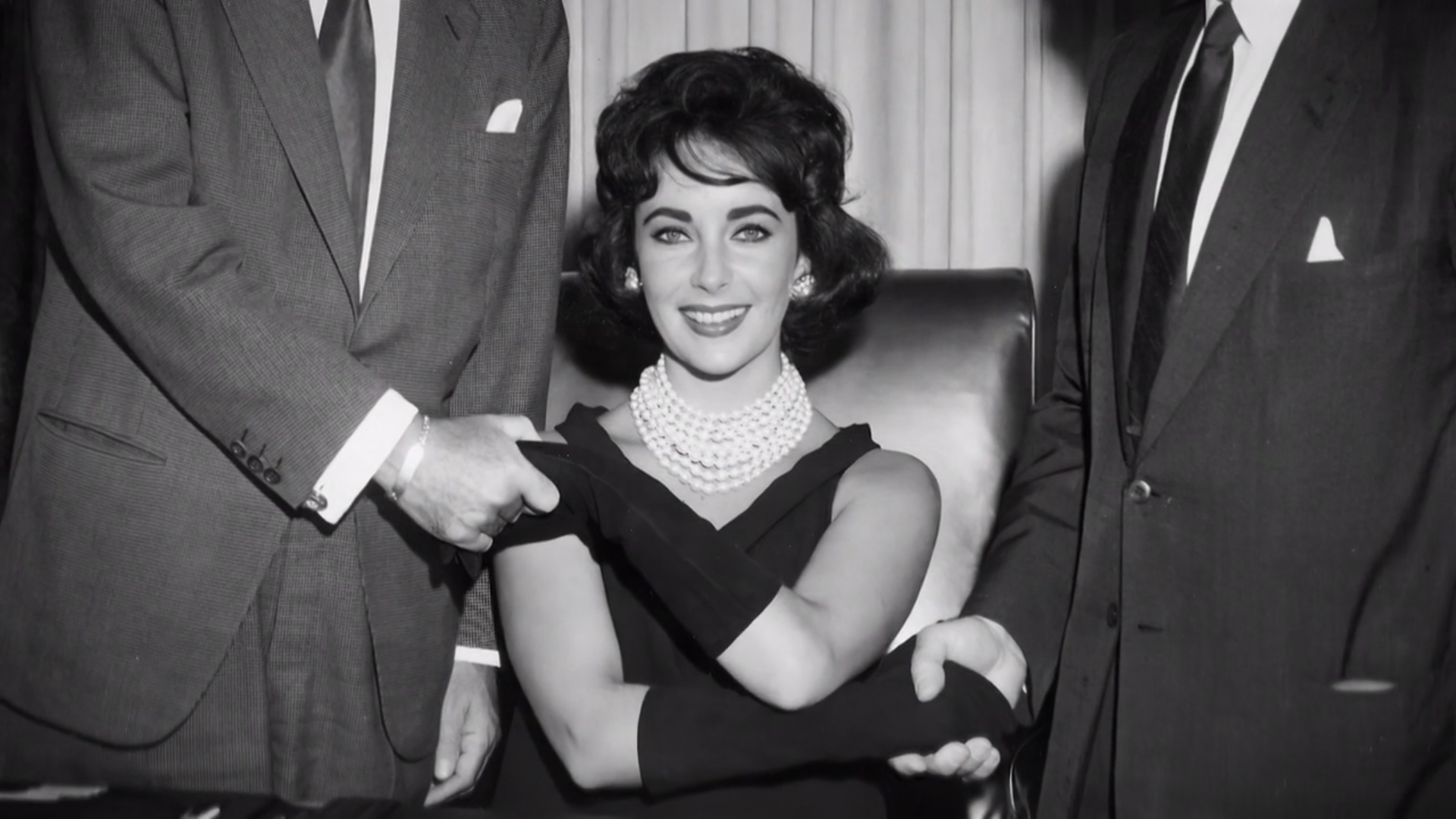
Elizabeth appeared in fifty-four theatrical films and nine television films, and you can learn about every single one of them right here!
How many times was Elizabeth nominated for an Academy Award? How many times did she win?
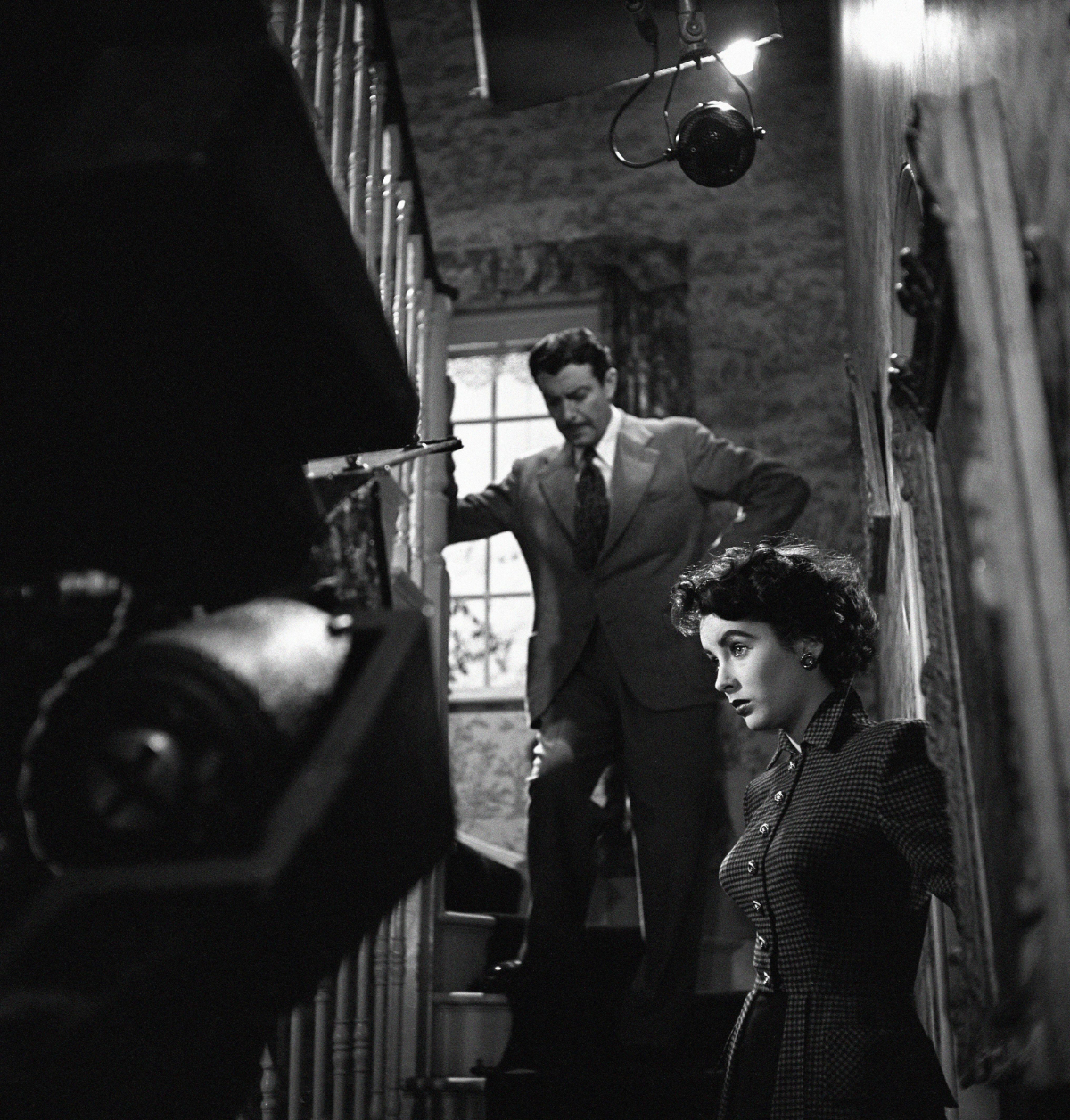
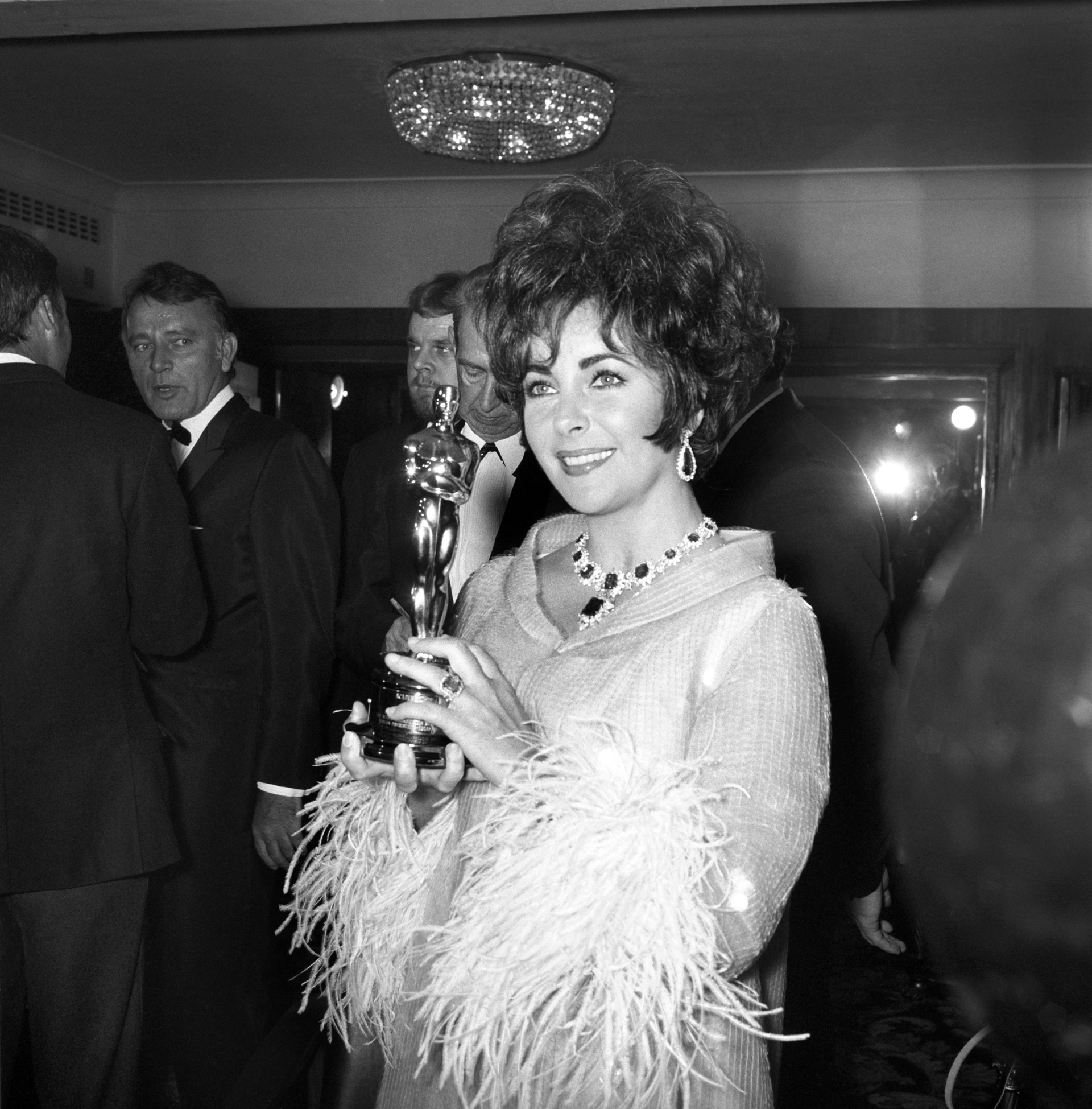
Elizabeth received five Best Actress Academy Award nominations, for Raintree County (1957); Cat on a Hot Tin Roof (1958); Suddenly, Last Summer (1959); BUtterfield 8 (1960); and Who’s Afraid of Virginia Woolf? (1966). She won for her performances in BUtterfield 8 (1960) and Who’s Afraid of Virginia Woolf? (1966), and was honoured with the Jean Hersholt Humanitarian Award in 1993 for her pioneering work in the fight against AIDS.
Learn more about Elizabeth’s awards and honours.
Which of her films was Elizabeth most proud of?
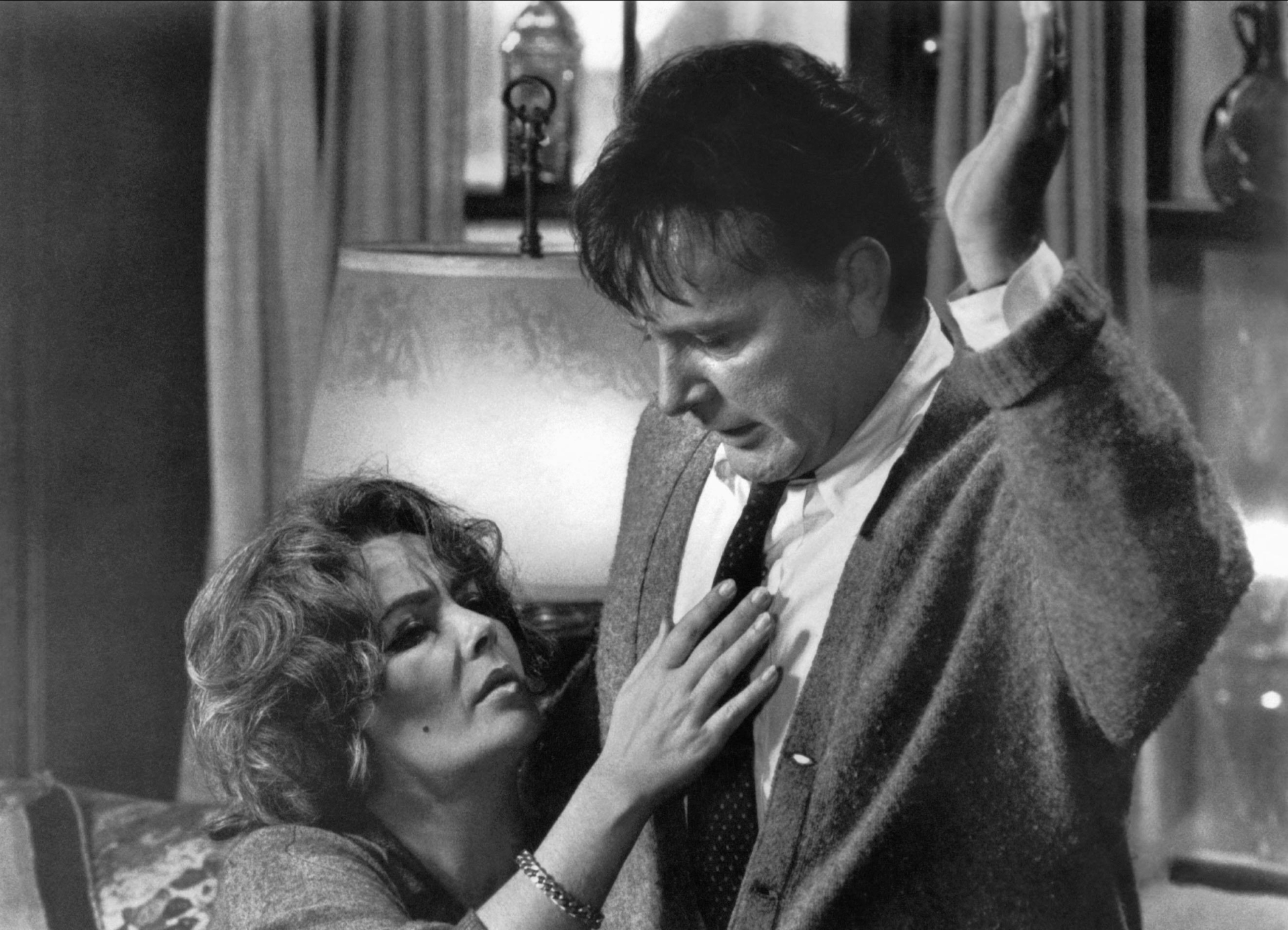
Elizabeth was proudest of her work in Who’s Afraid of Virginia Woolf? (1966). She also frequently cited National Velvet (1944), a film that reflected her own love of horses, as a favourite.
Family
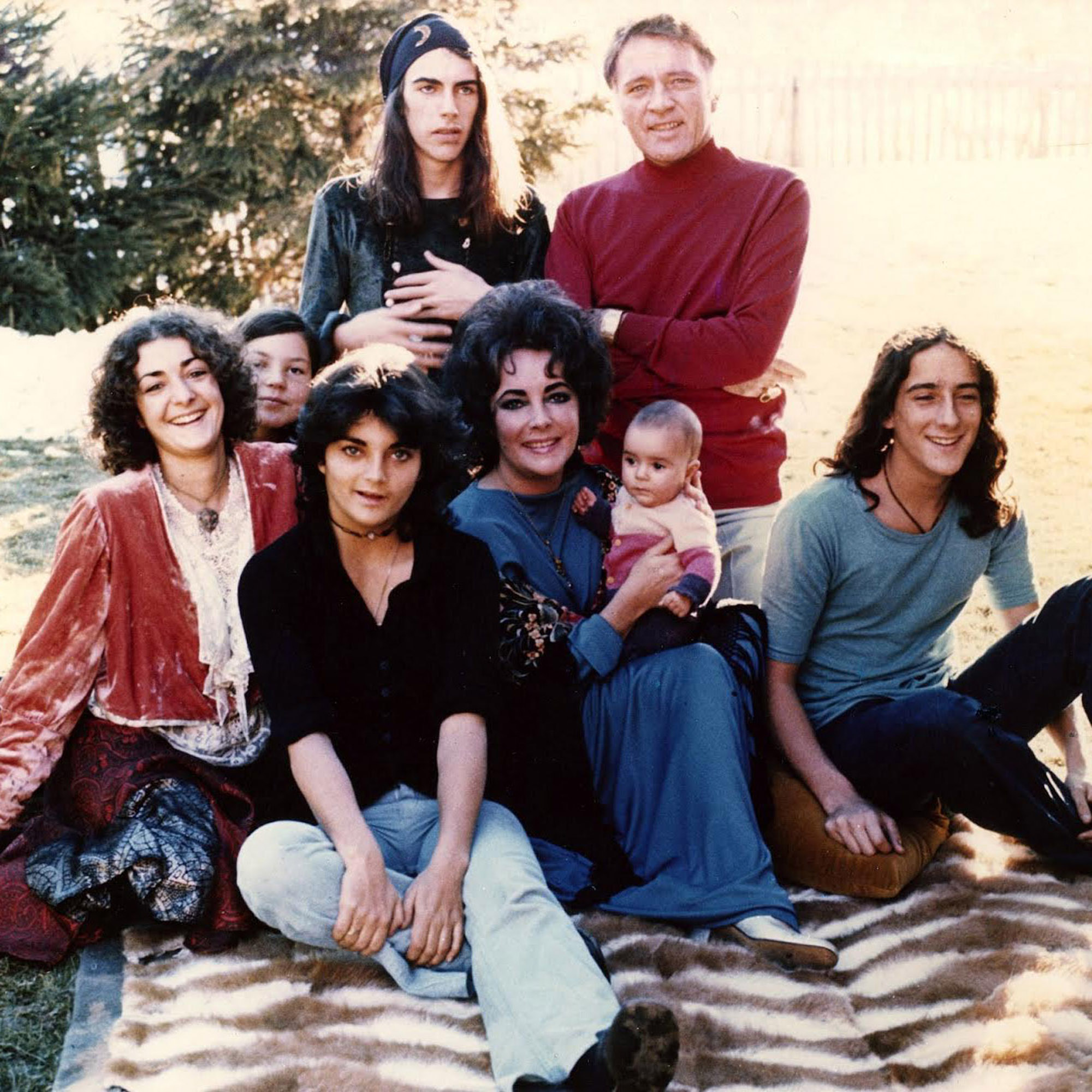
Where were Elizabeth’s parents and grandparents born?
Elizabeth’s mother, Sara Viola Warmbrodt, was born in Arkansas City, Kansas, as were her parents, Samuel and Anna Warmbrodt. Francis Lenn Taylor, Elizabeth’s father, was born in Springfield, Illinois. His father, a merchant, was from Indiana, and his mother was born in Ohio.
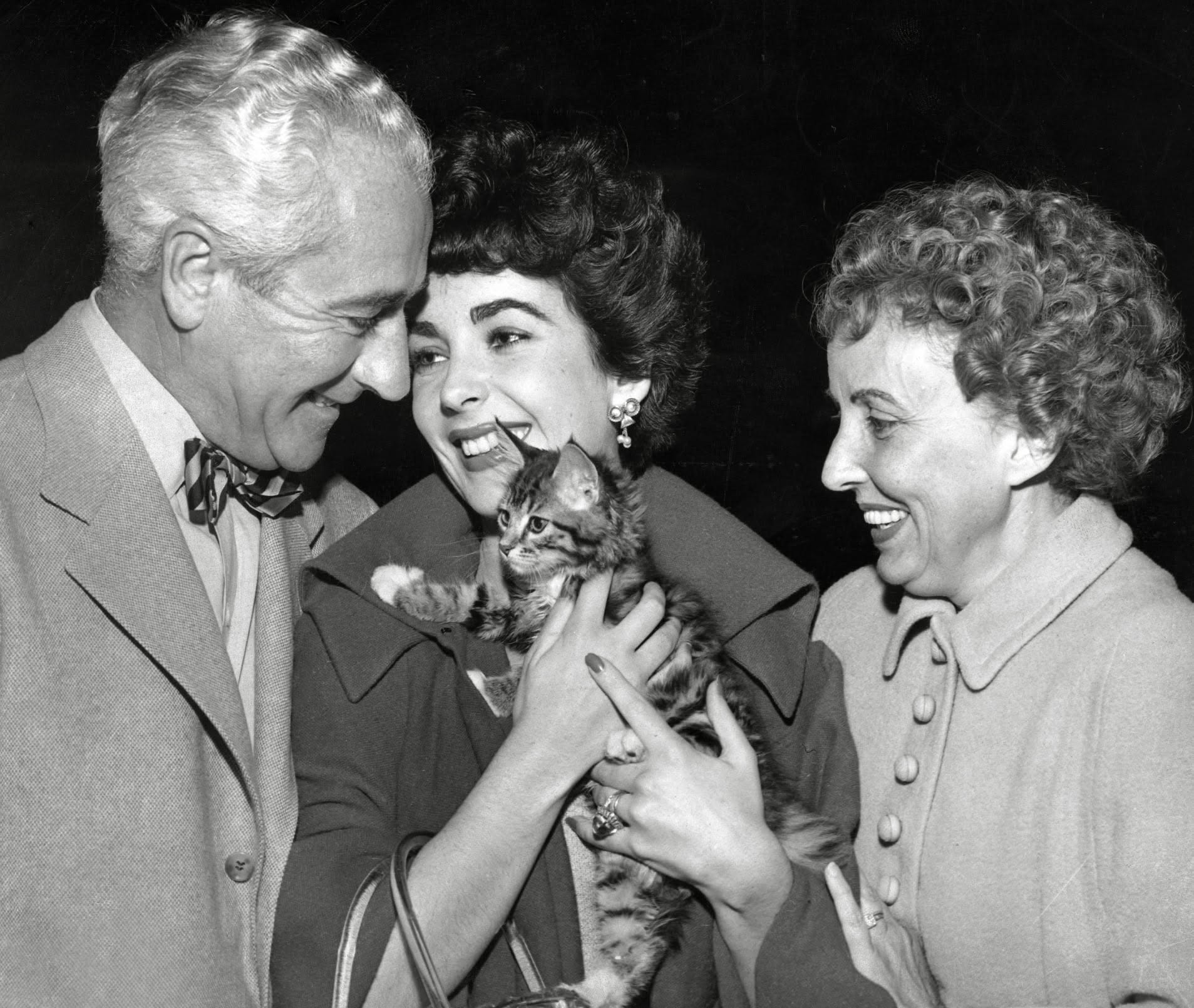
How many times was Elizabeth married?
Elizabeth Taylor was married eight times to seven men (she famously married Richard Burton twice):
- Nicky Hilton | May 6, 1950–February 1, 1951 (divorced)
- Michael Wilding | February 21, 1952–January 30, 1957 (divorced)
- Mike Todd | February 2, 1957–March 22, 1958 (widowed)
- Eddie Fisher | May 12, 1959–March 6, 1964 (divorced)
- Richard Burton | March 15, 1964–June 26, 1974 (divorced)
- Richard Burton | October 10, 1975–August 1, 1976 (divorced)
- John Warner | December 4, 1976–November 7, 1982 (divorced)
- Larry Fortensky | October 6, 1991–October 31, 1996 (divorced)
Did Elizabeth have any children?
Elizabeth’s most cherished role was that of mother, and she was deeply devoted to her four children:
- Michael Howard Wilding, Jr. (b. January 6, 1953)
- Christopher Edward Wilding (b. February 27, 1955)
- Elizabeth ‘Liza’ Frances Todd (b. August 6, 1957)
- Maria Burton (b. January 6, 1961)
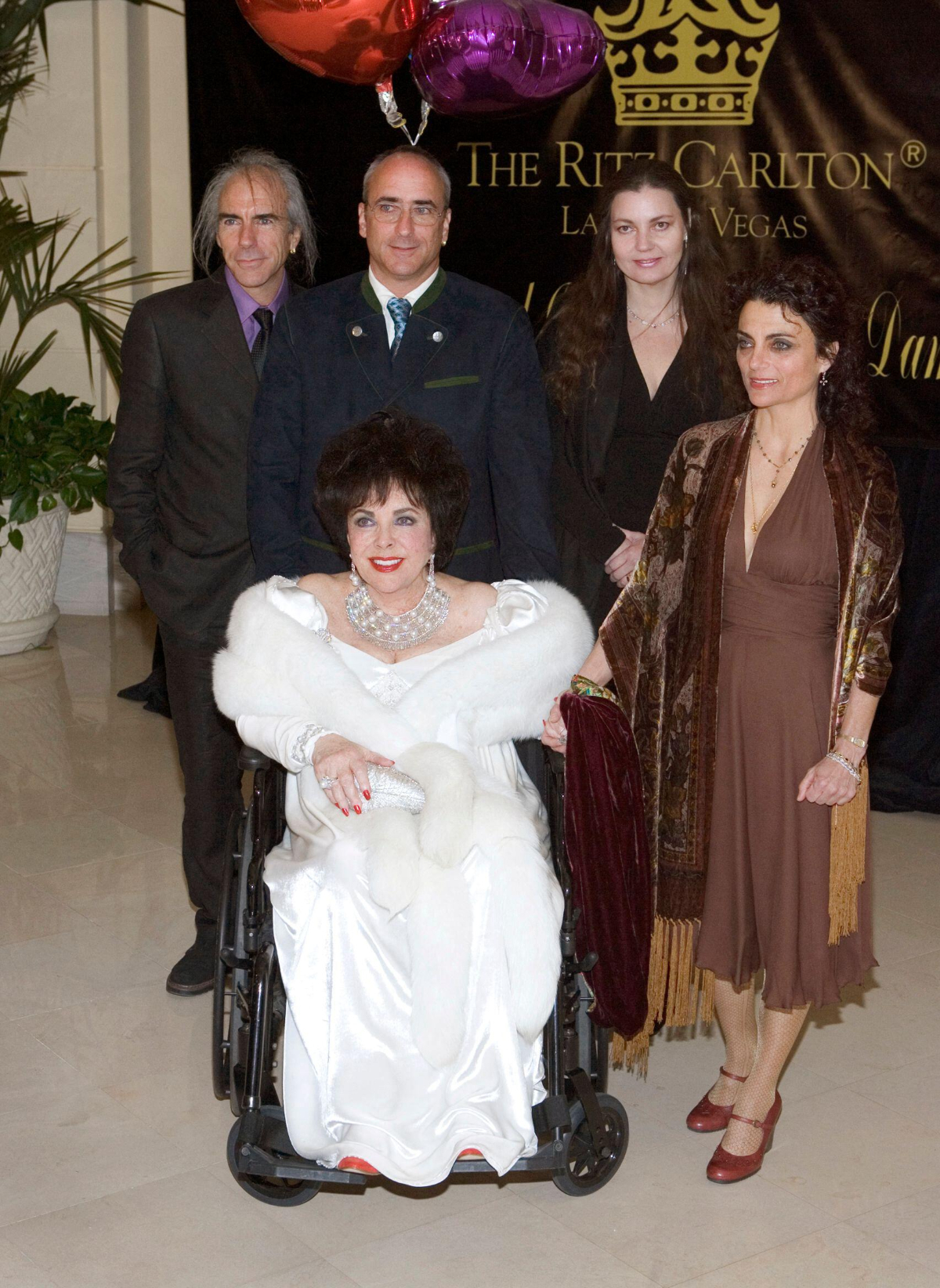
Did Elizabeth have any grandchildren and great-grandchildren?
Elizabeth had ten grandchildren and several great-grandchildren. Many of them proudly carry on her life-saving work in the fight against AIDS.
Are any of Elizabeth’s husbands still living? Where are their final resting places?
Sadly, all of Elizabeth’s husbands are deceased:
- Nicky Hilton died February 5, 1969, aged 42; buried at Holy Cross Cemetery in Culver City, California
- Michael Wilding died July 8, 1979, aged 66; cremated and ashes scattered
- Mike Todd died March 22, 1958, aged 50; buried at Walheim Jewish Cemetery in Forest Park, Illinois
- Eddie Fisher died September 22, 2010, aged 82; ashes interred at Cypress Lawn Memorial Park, Colma, California
- Richard Burton died August 5, 1984, aged 58; buried at the Protestant Churchyard, Céligny, Switzerland
- John Warner died May 25, 2021, aged 94; buried at Arlington National Cemetery in Arlington, Virginia
- Larry Fortensky died July 7, 2016, aged 64; cremated
AIDS Activism & More
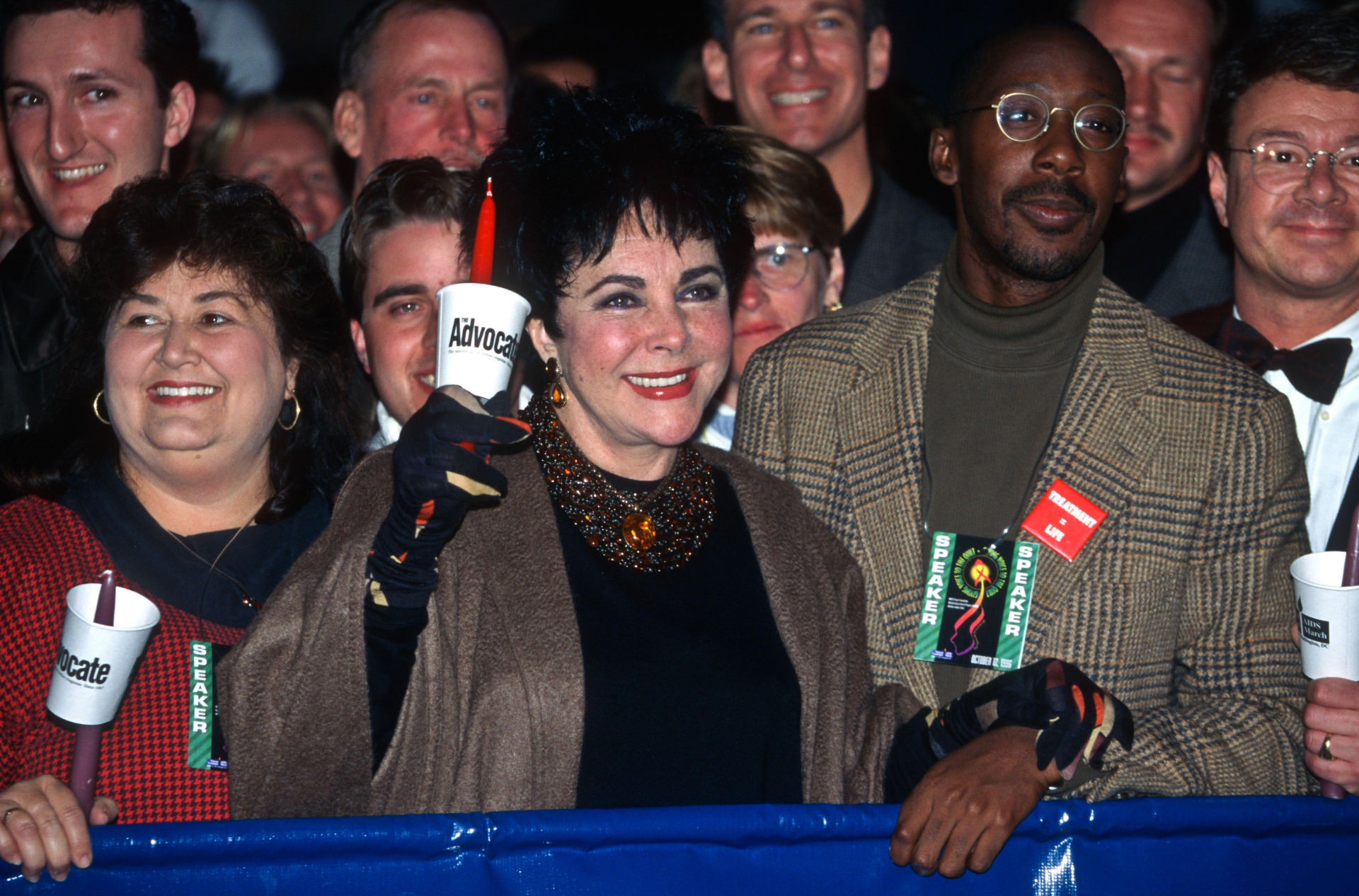
When did Elizabeth co-found amfAR? When did she establish The Elizabeth Taylor HIV/AIDS Foundation? How much money did she raise?
Elizabeth co-founded amfAR, the Foundation for AIDS Research, alongside several other early warriors in the fight against AIDS in the summer of 1985. In 1991, she established The Elizabeth Taylor AIDS Foundation (ETAF) “to dedicate more resources to direct-care for people living with HIV.” At the time of her death, in 2011, Elizabeth had “raised hundreds of millions of dollars for research and patient care”. ETAF continues her important work.
Learn more about Elizabeth’s pioneering role in the fight against AIDS.
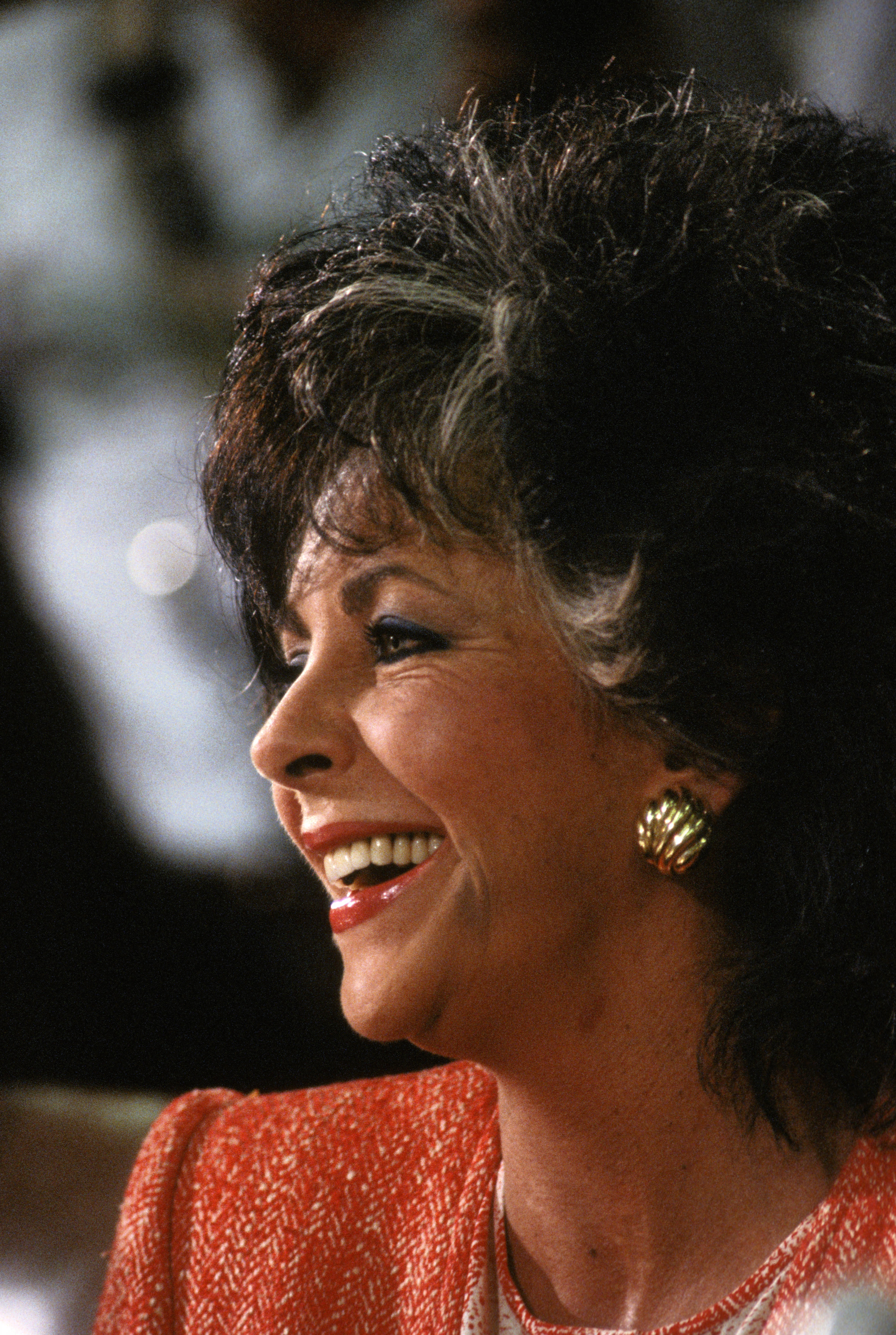
What are the dates that Elizabeth appeared on the covers of “Esquire,” “Harper’s Bazaar,” “Life,” “Look,” “Newsweek,” “People,” “Saturday Evening Post,” “Time,” “Vanity Fair,” and “Vogue” magazines?
Esquire: April 1952; August 1963; November 1964.
Harper’s Bazaar: November 1979; September 1981; September 1983.
Life: Elizabeth graced the cover of Life an impressive fourteen times, more than any other film star: July 14, 1947; October 15, 1956; November 4, 1957; April 28, 1961; October 6, 1961; April 13, 1962; April 19, 1963; December 18, 1964; June 10, 1966; February 24, 1967; February 25, 1972; March 1, 1981; February 1, 1992; April 1, 1997. Life magazine published a commemorative issue devoted to Elizabeth in April 2011. She was also featured on the covers of the books Life: In Hollywood (Life Books, 2003) and the first of the lavish two-volume LIFE. Hollywood, published by Taschen in 2024.
Look: December 9, 1947; February 13, 1951; September 11, 1951; December 2, 1952; August 24, 1954; June 28, 1955; June 26, 1956; January 8, 1957; October 14, 1958; April 12, 1960; August 15, 1961; February 27, 1962; May 7, 1963; April 21, 1964; March 9, 1965; February 8, 1966; October 4, 1966; June 27, 1967; June 16, 1970.

Newsweek: March 25, 1963; June 28, 1999.
People: May 19, 1975; March 15, 1976; February 14, 1977; October 23, 1978; October 20, 1980; December 28, 1981; March 15, 1982; October 6, 1986; January 18, 1988; January 25, 1988; December 26, 1988; March 13, 1989; April 9, 1990; October 21, 1991; July 26, 1993; March 4, 1996; April 11, 2011; March 7, 2016; November 3, 2025. In 1997, Elizabeth was also featured on the cover of a special edition of People devoted to “The Most Intriguing People of the Century,” and a special People Tribute dedicated to Elizabeth hit newsstands on April 4, 2011.
Saturday Evening Post: June 1, 1963; October 9, 1965; December 3, 1966; November 1977; September 1987.
Time: August 22, 1949; April 4, 2011.
Vanity Fair: December 1985; November 1992; July 2010.
Vogue: April 1965 (Vogue Paris); April 15, 1971; June 1993 (Vogue Paris).
When did Elizabeth begin her “love affair with jewelry”? What became of her collection after her death?
Elizabeth’s fervent love affair with jewelry began when she was just eight days old: when she opened her eyes for the first time, she beheld an engagement ring. “I was hooked,” she said.
She became a serious collector during her marriage to Mike Todd, who showered her with many exquisite pieces, and her collection continued to grow, notably during her marriages to Richard Burton. She amassed one of the world’s great private collections—believed to be second only to that of Queen Elizabeth II—including gems of incredible historical provenance such as the Krupp diamond (renamed the Elizabeth Taylor Diamond after her death), the La Peregrina pearl, the Taylor-Burton diamond, and more.
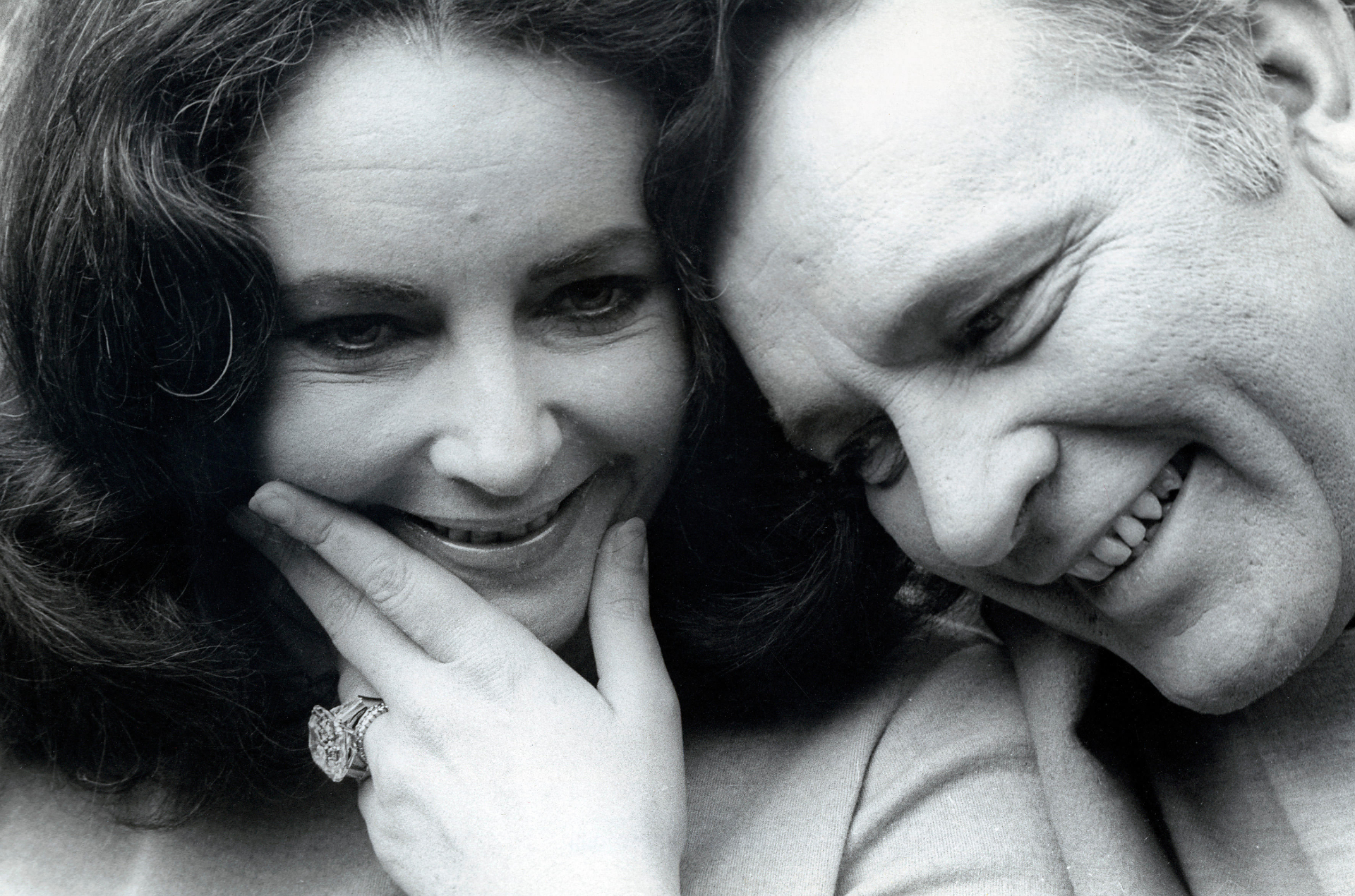
Elizabeth viewed herself as a “temporary custodian” of the jewelry she owned. It was her wish that, after her death, the bulk of her collection be auctioned so others could enjoy and appreciate the pieces as much as she had. Held at Christie’s New York in December 2011, the six auctions comprising The Collection of Elizabeth Taylor—including the Legendary Jewels (I), Jewelry (II), and Online Only Auction, the first in the legendary auction house’s storied history—shattered records and fetched a total of $156,756,576.
Learn more about Elizabeth’s legendary jewelry collection.